
History under sail
The Colonial Navy concept brings historic ship design and participatory learning together.
Why reproduce a historic vessel?
A ship's shape preserves a record of the work it was meant to do. Small Revolutionary-era vessels, seventeenth-century ocean voyagers, and nineteenth-century clippers can introduce different questions about trade, conflict, technology, and life at sea. A reproduction can make some of those questions tangible while requiring transparent decisions about modern materials, equipment, and interpretation.
The project vision described a group of historic-vessel reproductions operating in company rather than a single large ship. Its proposed areas included the East Coast, Great Lakes, Gulf Coast, and Caribbean, with a separate West Coast concept inspired by clippers. These proposals explain the project's interests and ambitions.
Learning through participation
Sail training can connect teamwork, observation, navigation, ship care, and the vocabulary of traditional rigging. Different operators use different vessels, staff, activities, access arrangements, and eligibility requirements. A useful enquiry starts with the actual programme and vessel, rather than assuming that every tall ship offers the same experience.
The Colonial Navy idea emphasized participants taking an active role in the life of a vessel. Any operating programme would need its own appropriate staffing, vessel arrangements, supervision, and current instructions. This website provides background for asking informed questions.
A wider maritime heritage
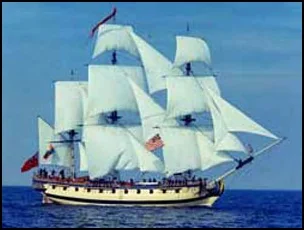
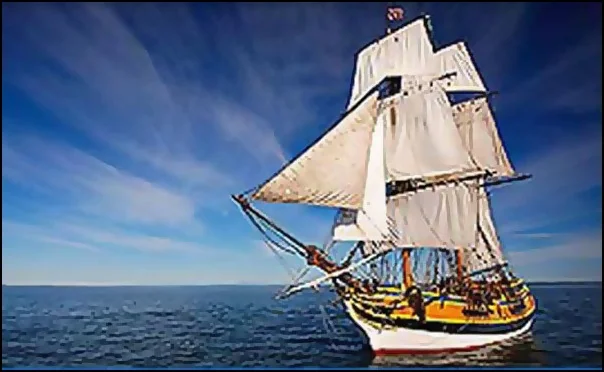
The original project material discusses reproduction vessels including Rose, Providence, and Lady Washington as part of the background to the concept. Their separate stories show that reproductions may support education, public visits, practical seamanship, or screen productions at different stages of their lives.
Our new journal examines such distinctions using museum, government, and operator sources. A replica can be a valuable teaching tool; its materials, dimensions, purpose, and operating history should be described clearly.
Ports, festivals, and historical context
The proposed programme connected sailing with historic ports, maritime festivals, reenactment, and educational organizations. The itinerary concept describes areas that interested the project. It offers geographical context rather than a timetable.
A responsible maritime visit also asks what can be learned ashore: how a ship was built, who supplied it, who worked aboard, whose communities it connected, and which records support its story. Combining ship interpretation with port history gives visitors a fuller account of maritime life.
Find out more
Browse the six ship profiles to compare designs, or use the maritime journal for independent evidence and practical observation guides. For current project enquiries, use Contact Us.